
I learned that Amboseli’s elephants were dying, as most Kenyans did, from a report, and it shook me. I serve as an honorary warden of the Kenya Wildlife Service, and that duty teaches you to read a country by what has stopped moving in it. The unanswered questions shook me more than the deaths. The deepest warning is the silence where life used to be.
Over four decades, sightings declined for nineteen of the twenty-two Kenyan birds of prey studied. Secretary bird sightings fell by 94 percent, and that elegant hunter is disappearing from our grasslands. Poisoning is among the threats. A vulture rarely makes a headline; it simply vanishes from the sky.
Then, in June, something fell that was too large to overlook. By August, eighteen elephant deaths had been reported. Preliminary tests pointed towards poisoning, but the explanation remains unconfirmed. We owe these animals the truth, and the communities beside them better than suspicion.
Four days before the first recorded death, the Pest Control Products Board issued a national warning following interceptions at Namanga of smuggled pesticides concealed among ordinary cargo. That warning cannot establish what killed the elephants. It does establish that the danger was already known.
In August, four suspects were arrested and later released pending investigation. So we were warned in June, we counted elephants through July, and then we arrested four men and let them go. A country that cannot count reaches instead for the nearest person to blame. Accountability must follow the evidence beyond the farm gate to those who import, distribute and regulate.
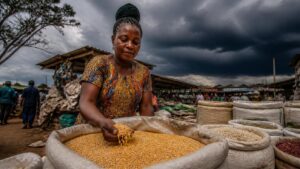
Carry that question to your dinner table. A study in July tested 45 vegetable samples from Nairobi and Nakuru markets. Seventy-eight per cent contained detectable pesticide residues, and one third exceeded European Union residue limits. Tomatoes had the most noncompliant samples, then spinach and kale. These are the vegetables in most Kenyan kitchens this week.
Do not condemn the farmer while ignoring the choices we give him. When a cheaper bottle promises to save a crop, school fees and supper enter the calculation. Analysis of 2020 data found that 44 per cent of the volume sprayed in this country is already banned in Europe, and safer alternatives remain a sliver of what any agrovet can stock. Give farmers practical options, reliable advice and buyers who reward responsibility. A bottle that saves today’s crop must not endanger tomorrow’s generation.
Our oversight leaves dangerous gaps. This year’s Auditor-General report found seventeen of thirty gazetted border points lacked the Board’s technical officers. In 2024, our plant health inspectorate announced investigations into possible links between agrochemicals and cancer across ten counties. Publish the findings or explain the delay.
The cost is also counted in shillings. Vegetable export earnings fell from KSh50.9 billion in 2023 to KSh16.1 billion in 2025, a drop of 68 per cent, with the regulator citing residue violations and tighter European inspections. Those losses threaten wages, school fees and livelihoods. Kenya cannot build prosperity on produce that buyers struggle to trust.
Support growers who keep records and farm responsibly. Plant a few stems of sukuma behind the house if you can. But no kitchen garden will ever fix a border, and food safety cannot depend on owning land.
Let Parliament demand a dated plan to close the enforcement gaps. Let Treasury make safer alternatives affordable. Let counties put trained extension officers beside farmers. Let the Ministry of Health publish its taskforce findings, and regulators publish residue results the public can understand. Every pesticide bottle must be traceable from border to farm. Every commitment needs a name, a deadline and a measurable result.
Eat your vegetables; they were never the enemy. Demand answers, because silence protects only the careless. We have counted the dead. We must now count what is killing them.
Think Green, Act Green.