
On Friday night, I stood with the CITAM Men’s Chorale inside PCEA Kahawa Farmers during an overnight hymn session of praise and worship. Somewhere between the hymns, the name of the place began to preach to me. Kahawa is our word for coffee. The farmers were those first families. Yet the ground that once bore that name now holds houses, a market, tarmac, and sewage ponds. The name still stands, even though the farm is gone.
I am not writing to mourn Kahawa. Nearly every Kenyan neighborhood keeps a name like this, a word that remembers a harvest we no longer gather. What unsettled me was not that the land changed hands. It was a pattern I encounter everywhere, in our crops, cooperatives, and institutions: we are so good at beginning things and strangely willing to let others finish them.
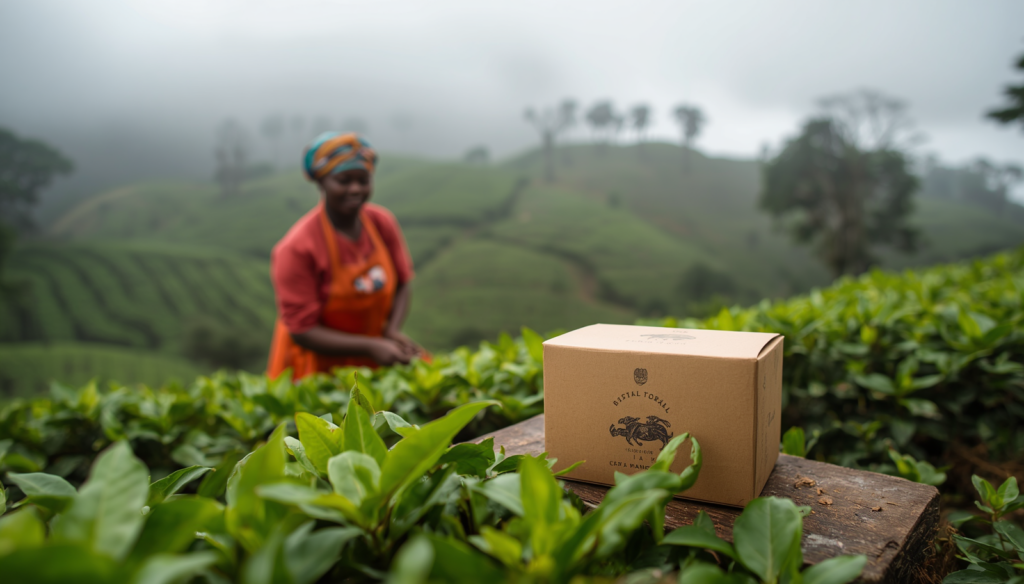
Watch what we do with tea. In 2024, Kenya was ranked the world’s largest tea exporter, selling about 625,000 tons, far more than China or Sri Lanka. Then the twist: we earned roughly what each of those countries earned, nearly 1.4 billion dollars, while selling far more leaf. We win the race, but our purse is no heavier. The reason is quietly humiliating. About 99 percent of our tea leaves home in bulk, unbranded, to be blended and renamed abroad. Bulk tea can fetch as little as one sixth of what a branded packet earns. We grow the crop, and a stranger names the cup.
The deeper waste is not the price but the imagination. Nearly all our tea is CTC, the crush-tear-curl black tea in everyday tea bags, whereas the world drinks many kinds: green, white, matcha, and the purple tea Kenya bred in our laboratories. The demand is there, and so is the plant; we have simply never built the system to produce and sell them.
Now, for the part that should make us laugh before it makes us think. Our politicians never suffer from this disease. The moment a poll shifts, just like the recently released TIFA opinion polls, two leaders who called each other unprintable names last year will discover they were always brothers and climb into one political bed without a blush, because 50 percent plus one is the only arithmetic they never forget. They finish what they start. A country that can build a coalition in a weekend can surely fix a tea factory in a season. Our trouble was never coordination. We have decided the farmer is not worth coordinating with.
So what does finishing look like? It begins with governance: no factory rises above its managers. Let cooperatives end the court cases quietly draining farmers’ money, open their books, and answer to growers, not brokers. Let the state complete the reforms it has bravely begun: the orthodox auction, tax relief on packaging, and the push into green, purple, and specialty teas. And let it hand families in places like Kahawa the title deeds they have chased for thirty years, because nobody plants a future on land they might lose. Let banks and young entrepreneurs build the roasteries, blending houses, and brands that keep the last, richest step here, as our purple tea now wins French shelves. And let each of us reach for the branded Kenyan packet, not the nameless one, so the market rewards the finisher. Leaders are remembered not for what they launch, but for what works after they are gone.
So my prayer that night softened into a hope I now offer you. Let us keep the name and, this time, win back the substance. Let us build farms, factories, and value chains sturdy enough to outlast us, the kind our grandchildren will bless in 2125 rather than pave over. The coffee in Kahawa’s name can be a seed, not a headstone. Think Green, Act Green.