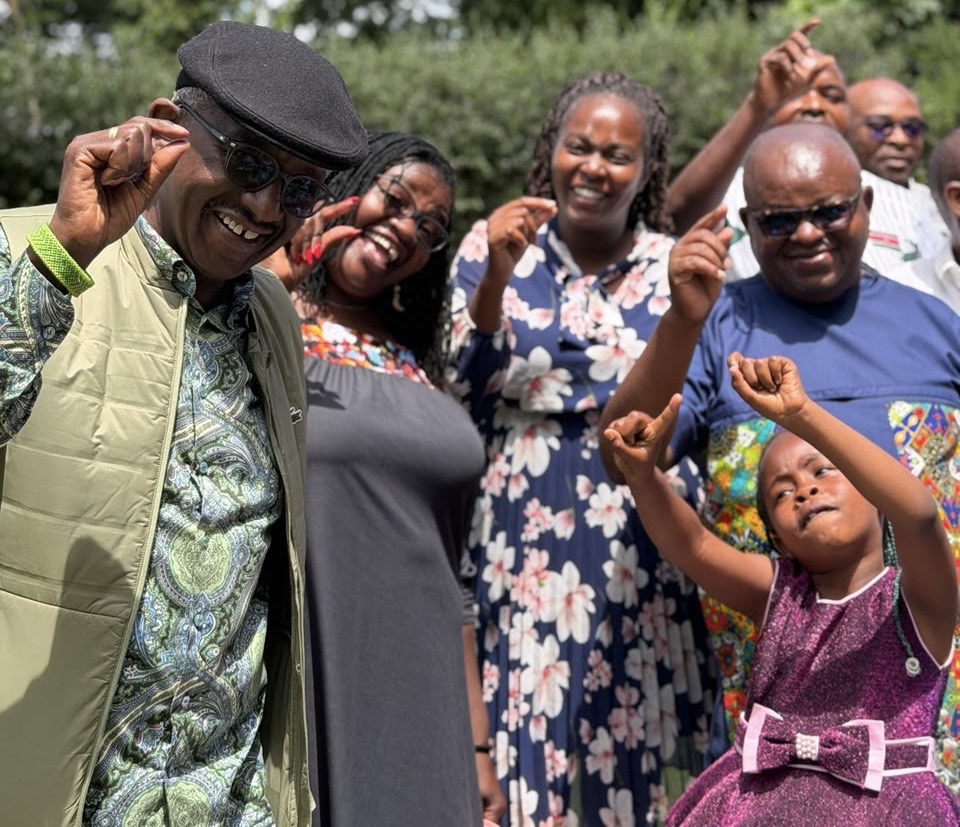
Tomorrow, we lay my dear brother, John Kioli Kalua, to rest. Today, I imagine the conversation we would have had this week.The words are mine, not his.
Each week, we sought each other out: Bishop Kalua’s legacy, family, enterprise, Kenya, and the world. Our father raised us to add value, not to compete with those already doing good. John’s laughter gave way to a searching question.
Isaac: Msee, as we fondly called each other, how can an economy grow while a family struggles to put dinner on the table?
John: Before we solve the economy, have you ordered the tea yet?
Isaac: It is coming! But look at these numbers. Kenya’s economy grew by 4.6 percent in 2025. Agriculture, forestry, and fishing grew by 3.1 percent, then by 4.9 percent year over year in the first quarter of 2026. What connects those numbers to a household?
John: Earnings, prices, and who receives the gains. Production can rise without every family becoming better off. Now follow one farmer: what prevents her harvest from becoming income?
Isaac: Here, political economy meets business. Political economy asks who makes the rules and who benefits; business produces, trades, and earns within them. One economy, seen two ways. President Ruto has identified health, roads, housing, energy, and irrigation as among his development priorities. How could communities turn those investments into dependable earnings?
John: Follow the harvest beyond the farm. Who stores, processes,transports, and buys it? A road can carry mangoes; it cannot negotiate their price.
Isaac: Exactly. Green Africa Villages shows how community enterprises can connect to that infrastructure. Picture 200 households whose water, soil, trees, food, and clean energy feed into shared storage, processing, and markets. Local skills keep the system running. Each village must fit its place, not photocopy a national plan.
John: But who buys the produce? You remember our jatropha discussion. A processing machine without customers is just expensive furniture!
Isaac: Begin with demand and honest costs. Settle ownership, buyer agreements, and records. Finance equipment and the cash needed between harvest and payment. Match repayments to theearnings people can expect. Set money aside for maintenance, and test what drought would do.
John: So, are cheaper loans alone not the answer?
Isaac: They can help, but not every obstacle is financial. Credit requires a functioning enterprise behind it, earning enough after costs to repay.
John: And what makes this green rather than business, with a leaf on its letterhead?
Isaac: Green means livelihoods rise while emissions, waste, and damage to nature fall. Solar irrigation is not sustainable if it depletes an aquifer. Our model must protect the resources God has entrusted to us, not sell tomorrow to finance today.
John: How would you know whether the villages work?
Isaac: Invite universities and communities to test them. Measure household incomes after costs, decent jobs, water use, and ecological recovery against villages not yet reached. Publish failures as well. Expand what the evidence supports.
John: When leaders change, who keeps this work accountable?
Isaac: Leadership and lasting rules both matter. Our Green Democracy declaration outlines four tests: voice, visibility, accountability, and renewal. Can people shape decisions, track spending, and challenge failures? These tests also bind the Green Thinking Action Party.
John: Where do peace and compassion fit? A hungry family cannot wait for a hundred-year plan.
Isaac: Nor should it. Jesus saw hungry people and fed them. Mercy must extend to the budget. For us, long-term thinking begins with care today. Who bears the risk when crops fail? Who protects food, school fees, and medicine? Service continues between elections, and peaceful opponents can still work together.
John: Then what are we leaving behind, Msee?
Isaac: Not a system that waits for us. One that keeps opening doors after we are gone.
Through the John Kioli Kalua Legacy Fund, we will carry forward the values of learning, enterprise, and stewardship.
John, I cannot call you this week, but I can still answer you with what I built.
Think Green, Act Green.