
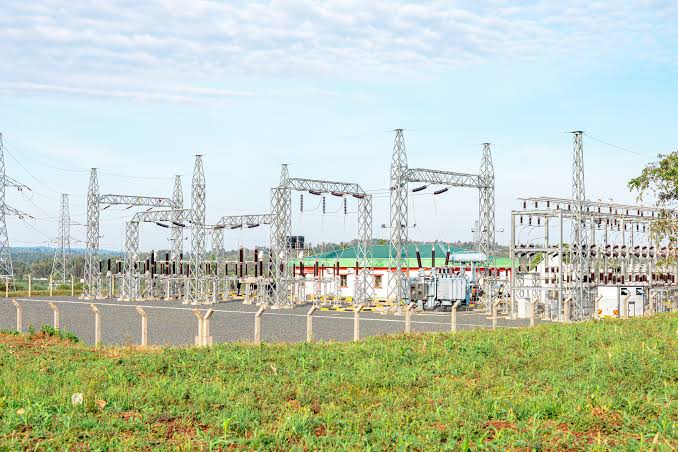
My hometown of Kitui, better known as Texas, has one traffic light. One. Amazingly, everyone obeys it, including my boda bodabuddies, who elsewhere treat red lights as suggestions. We are not a disorderly people. Give a Kenyan just one thing that works, and he will respect it.
Now watch him become an electricity customer. He pays before he consumes. He buys tokens at nine at night and waits for a message that never arrives. When it rains, he knows the evening is over. The money leaves his phone in seconds. Kenya Power’s own charter promises him supply within 24 hours of payment. Ask anyone who has waited four days.
My inquisitive mind uncovered what almost nobody knows. Legal Notice 79 of 2021 permits one outage per month, each no longer than an hour. Then read the rest.
The Schedule sets a breach at twenty thousand shillings a year for interruptions that are too frequent and twenty thousand for interruptions that are too long. Regulation 10 says that one incident darkening the whole country counts as one contravention. And Regulation 8 says the regulator may impose it. May. So, Kenya Power can fail all ten million of its customers all year for forty thousand shillings. A kiosk loses more in one spoiled weekend.
Then Regulation 13 dissolves it. No penalty is payable for a fallen tree outside the wayleave or for a major generation failure. Kenya Power’s managing director says trees cause 50 to 70 percent of outages. So, by its own account, most of our darkness is excused by law. And the causes are not published, so no one can test it. Wah!
This is not a wicked company. It is a structure that no one comes back to check. Unexpectedly, two thirds of what it earns goes out in direct costs before anyone replaces a transformer, and the ground is shifting beneath it. Seven in ten units it sells go to large customers. Open access now invites others to serve. Their premium keeps your tariff down. I tell you!
This is a green matter. Kenya’s electricity is overwhelmingly renewable, and only a wire carries it to a kitchen. When the wire fails, nobody waits. They buy a generator or burn charcoal. A collapsing grid does not merely inconvenience us. It deforests useven as we commemorate Mazingira Day.
I must confess my share. El Niño will bring above-average rain over four-fifths of Kenya, and our eucalyptus guide sets distances from rivers and roads, none from power lines. I have asked Kenyans to plant. I must now say where not to plant.
Let’s be fair about blame. The lineman who climbs a pole at two in the morning during a storm did not design the tariff. If we support this company, and we must, let the help reach the more than ten thousand employees who carry it, not the failing structure.
So, mend the structure before these rains end. Give the standard a number the regulator can enforce. Count a blackout by the homes it darkens. And publish two things monthly: what caused the darkness and how many customers claimed compensation, which the law requires them to count, but nobody has seen.
Then act. Complain in writing and keep the reference number. If they fail you, the regulator must decide within sixty days. If that fails, the Tribunal can award damages. The forty thousand never reaches you. Your claim can.
The Kamba have a saying: “ukatelemela kyambioni ta mbili.” The tick clings to the hide, sucking contentedly, unaware that the animal was slaughtered and the skin pegged out to dry. The largest customers are already being invited to leave.
Kenya Power will not be saved by our loyalty, nor will it be killed by competition. It will be saved or lost by design. A people who stop at one traffic light in Kitui have earned a grid that stays on.Think Green, Act Green.